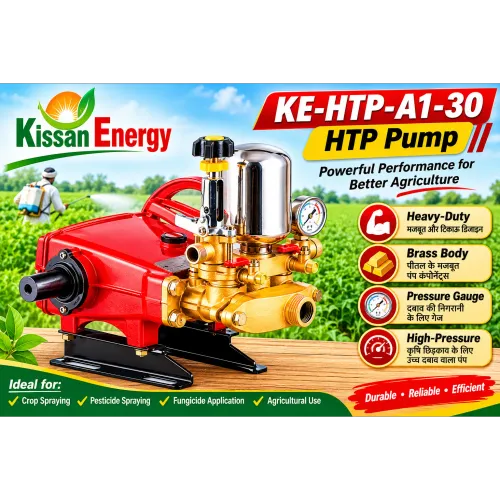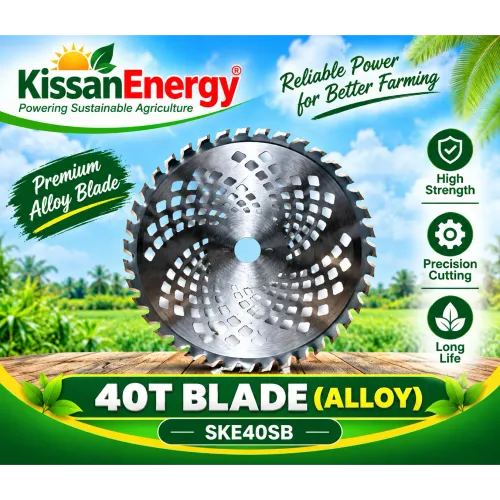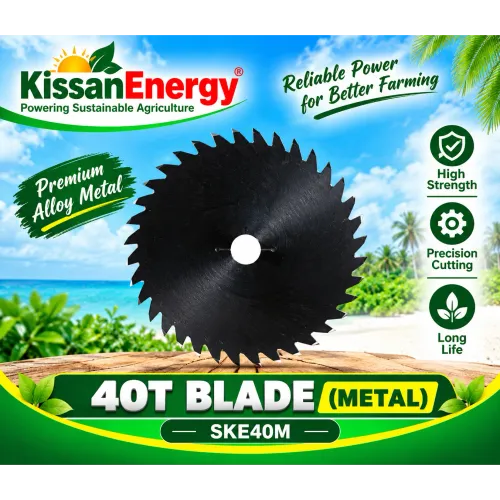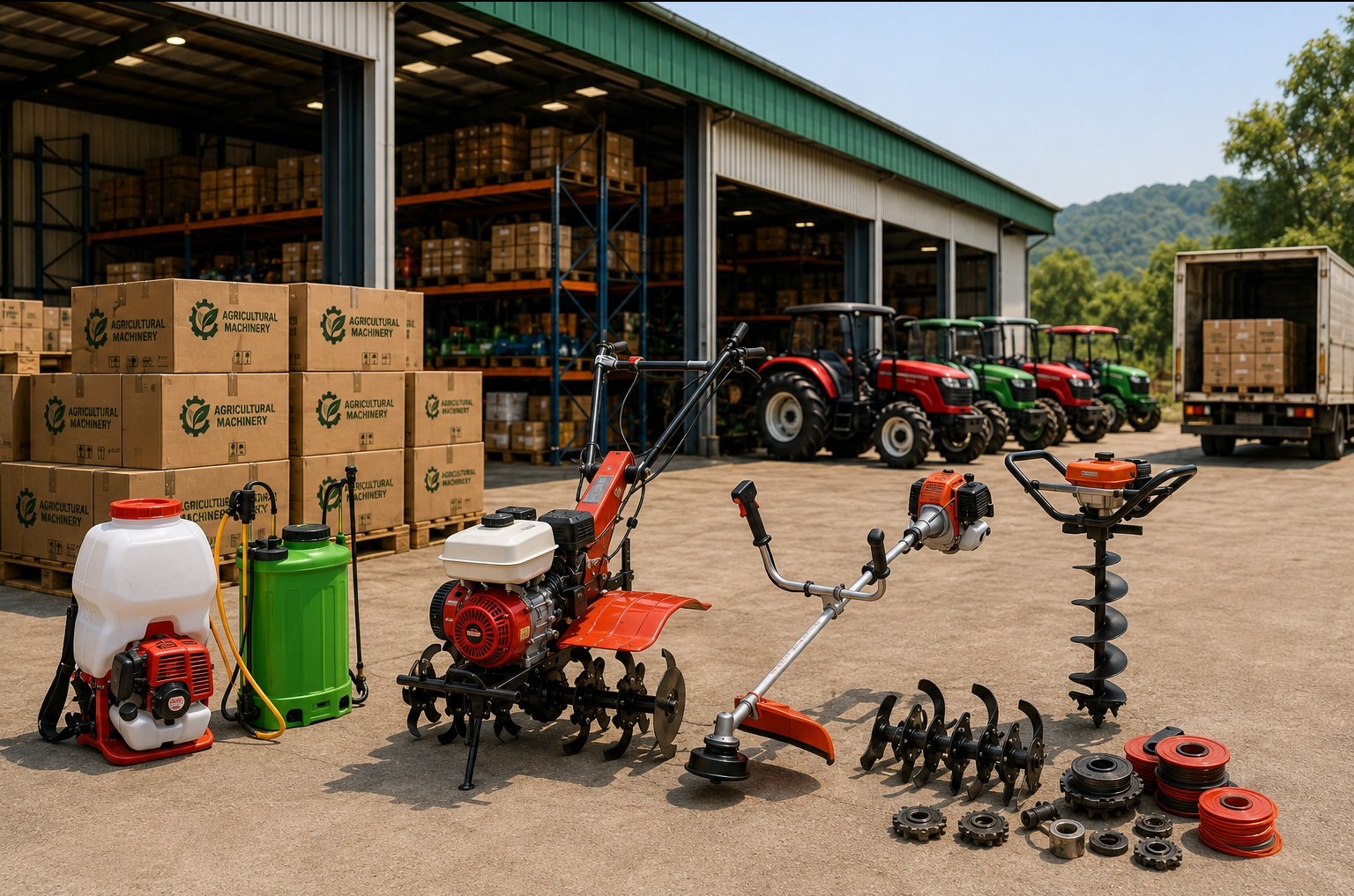
Agricultural machinery distribution works best when equipment selection reflects real farm applications, inventory planning and dependable customer support.
Build distribution around applications
Agricultural machinery serves different operational needs, so distributors benefit from understanding what each category is designed to accomplish. In a region where agriculture and horticulture are important economic activities, machinery access can be relevant across varied farm and orchard operations.
An Agricultural Machinery Distributor should therefore look beyond product movement. Product knowledge, stock planning, replenishment and after-sales communication can all affect the strength of a distribution relationship.
A practical distribution sequence
Identify the agricultural applications being served.
Select equipment categories that fit those applications.
Establish inventory and replenishment requirements.
Understand maintenance and spare-parts considerations.
Create a clear process for customer enquiries.
This approach can help distributors avoid building an unnecessarily broad portfolio.
Distributor FAQ
Does a larger product range guarantee better distribution?
No. A focused range with strong product knowledge can be more manageable.
Why should parts be considered early?
Equipment ownership continues after purchase, making replacement support commercially relevant.
What should a distributor prioritize?
Suitable products, reliable supply coordination and useful customer support.
For businesses exploring machinery distribution and channel requirements, Smart Kishan Tools can discuss suitable opportunities connected with Jammu and Kashmir.