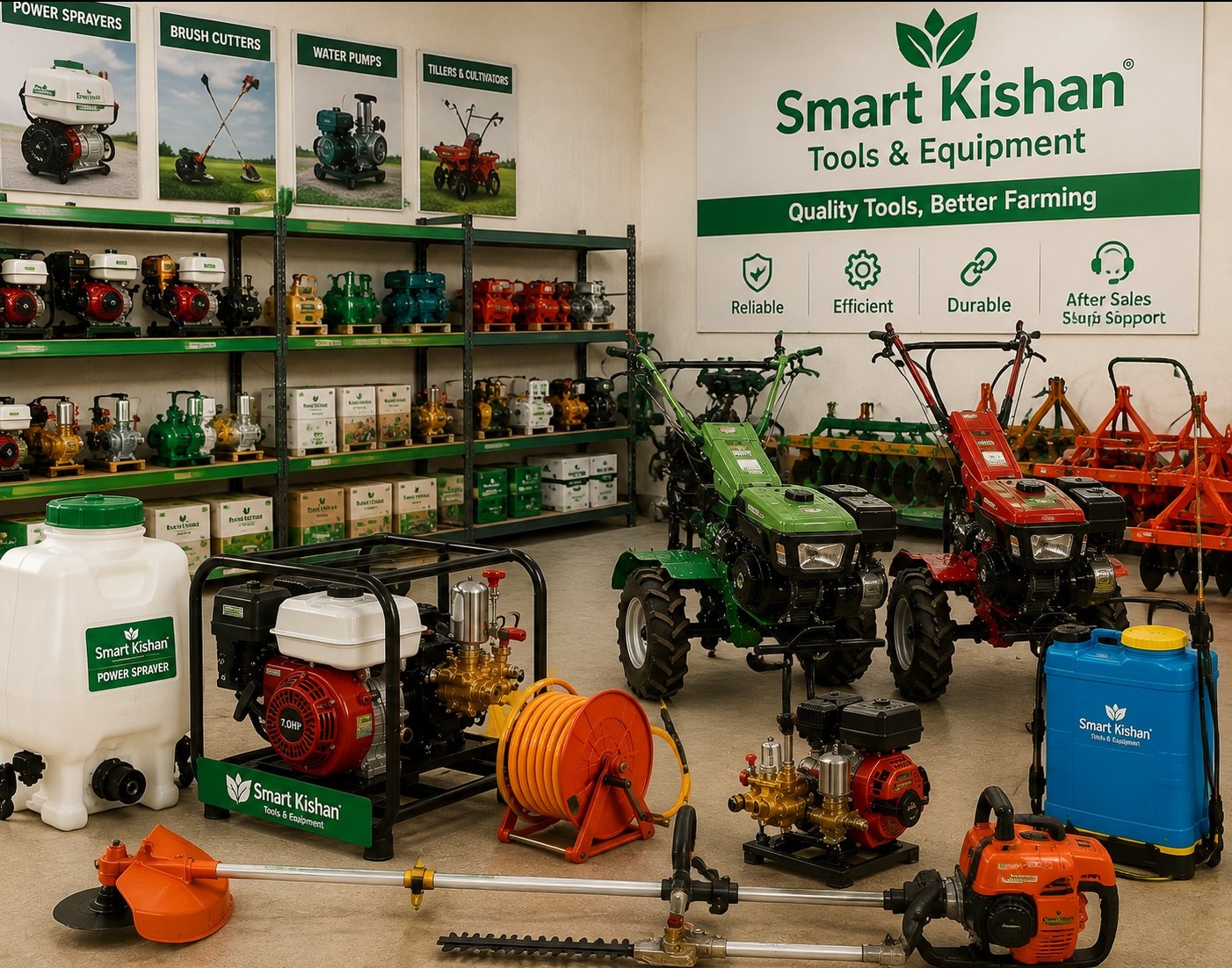
Starting an agricultural equipment dealership requires commercial planning, product understanding and a realistic approach to customer support rather than simply adding machinery to an existing business.
Begin with the customer
The first step is identifying which agricultural applications your proposed dealership will serve. Spraying, cultivation, vegetation management and related requirements may call for different equipment categories.
Anyone researching How to Become an Agricultural Equipment Dealer should then assess the products, expected inventory requirements, storage arrangements, customer communication and replacement-part needs.
A practical five-step route
Define the intended customer segment.
Select equipment categories that match real applications.
Understand product operation and maintenance requirements.
Plan inventory, storage and replenishment.
Establish how customers will receive post-purchase support.
The fifth step is frequently underestimated. Agricultural equipment remains useful only when customers can operate and maintain it appropriately.
Quick Frequently Asked Questions
Is product knowledge necessary before becoming a dealer?
Yes. Customers need accurate guidance about applications, operation and limitations.
Should a new dealer stock every equipment category?
Not necessarily. A focused portfolio can be easier to manage and explain.
What makes a dealership model sustainable?
A practical combination of customer demand, manageable operations, suitable products and ongoing support.
Businesses considering dealership requirements can discuss the next stage with Smart Kishan Tools for opportunities connected with Shillong.